BREWORIGIN · MONTRÉAL

Lot 01 — 2026 Journal

Farm histories and cupping notes — trace every origin in the cup.

BrewOrigin publishes structured farm histories and cupping tasting notes for specialty coffee lots from our Mile End editorial studio on Boulevard Saint-Laurent. We document harvest season context, processing method detail, and sensory arcs for roasters and café operators across Canada — not restaurant menus or meal delivery.

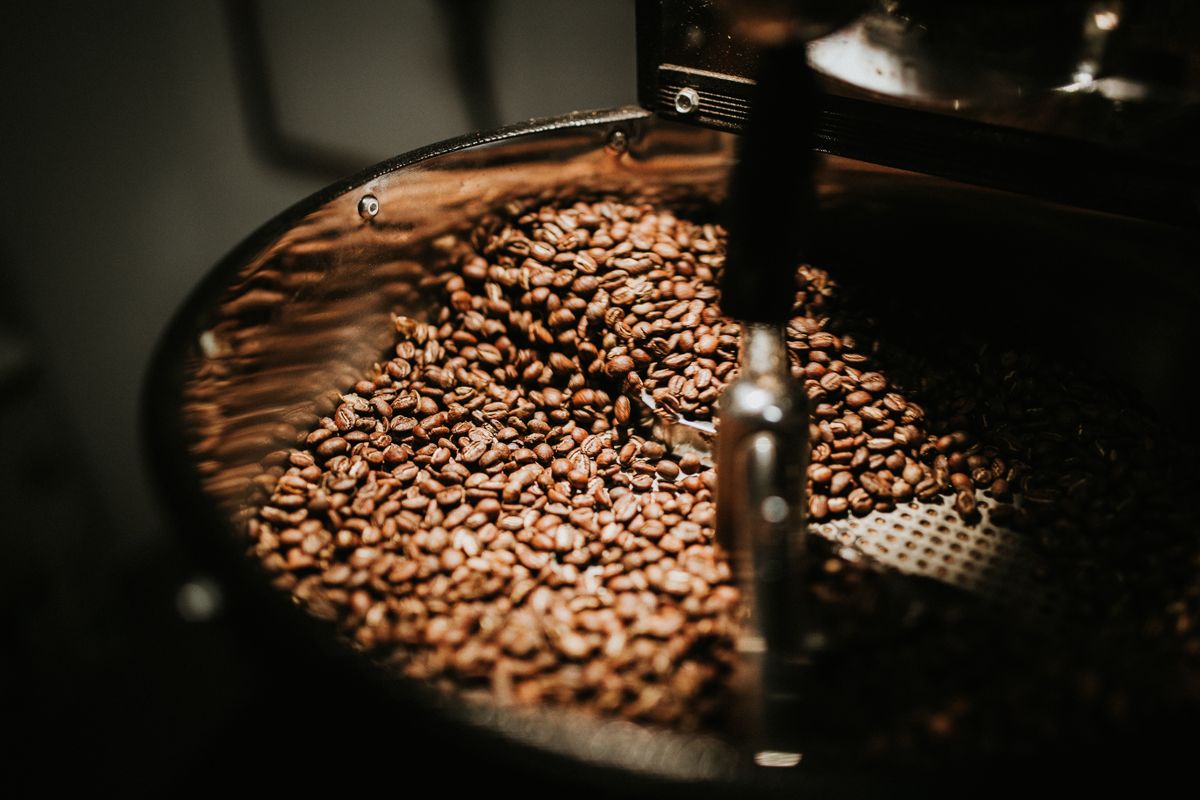
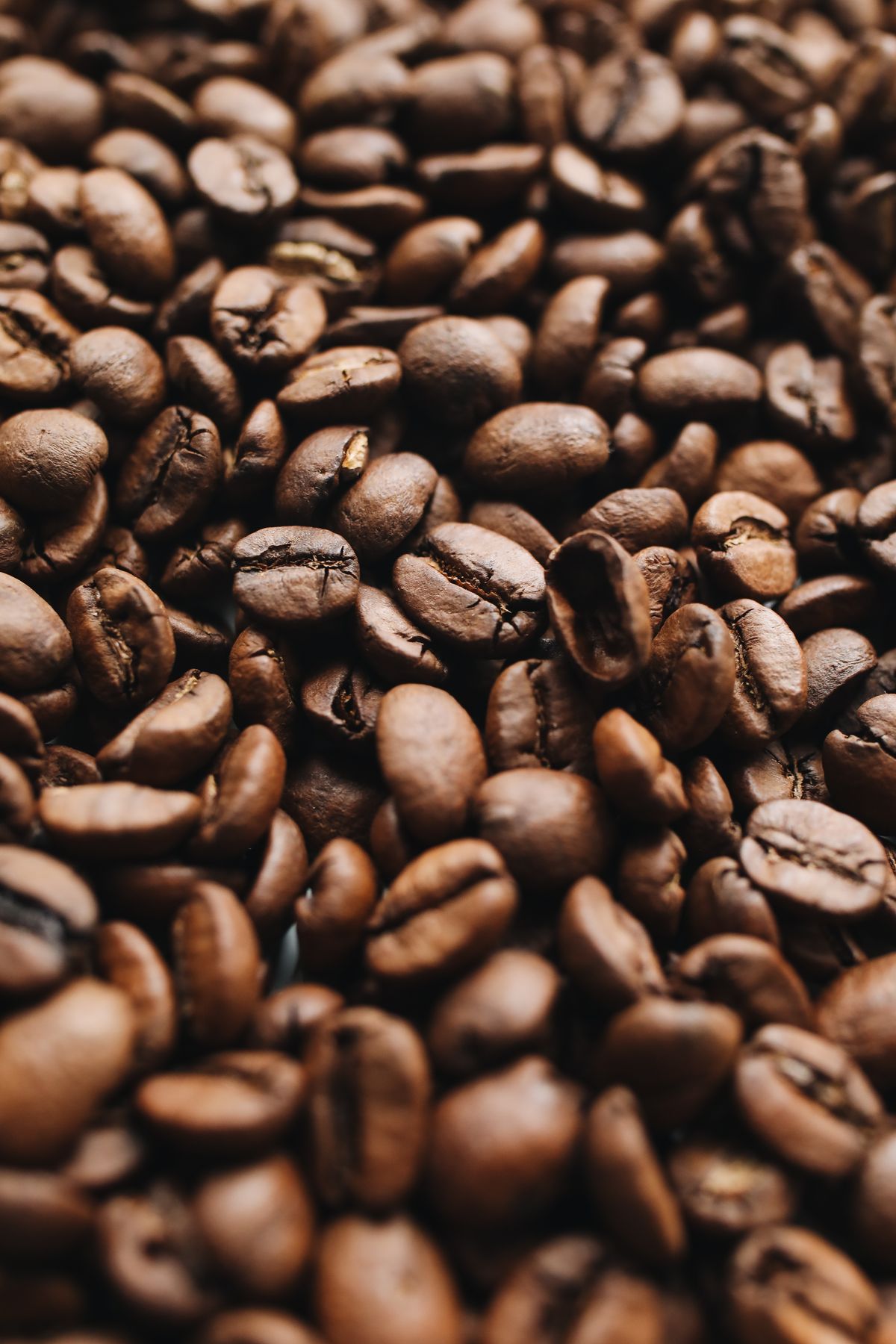
Roasted specialty coffee beans close-up
Bean stage · Huila
Cupping bowls arranged for blind panel scoring
Cupping table · Lot 01
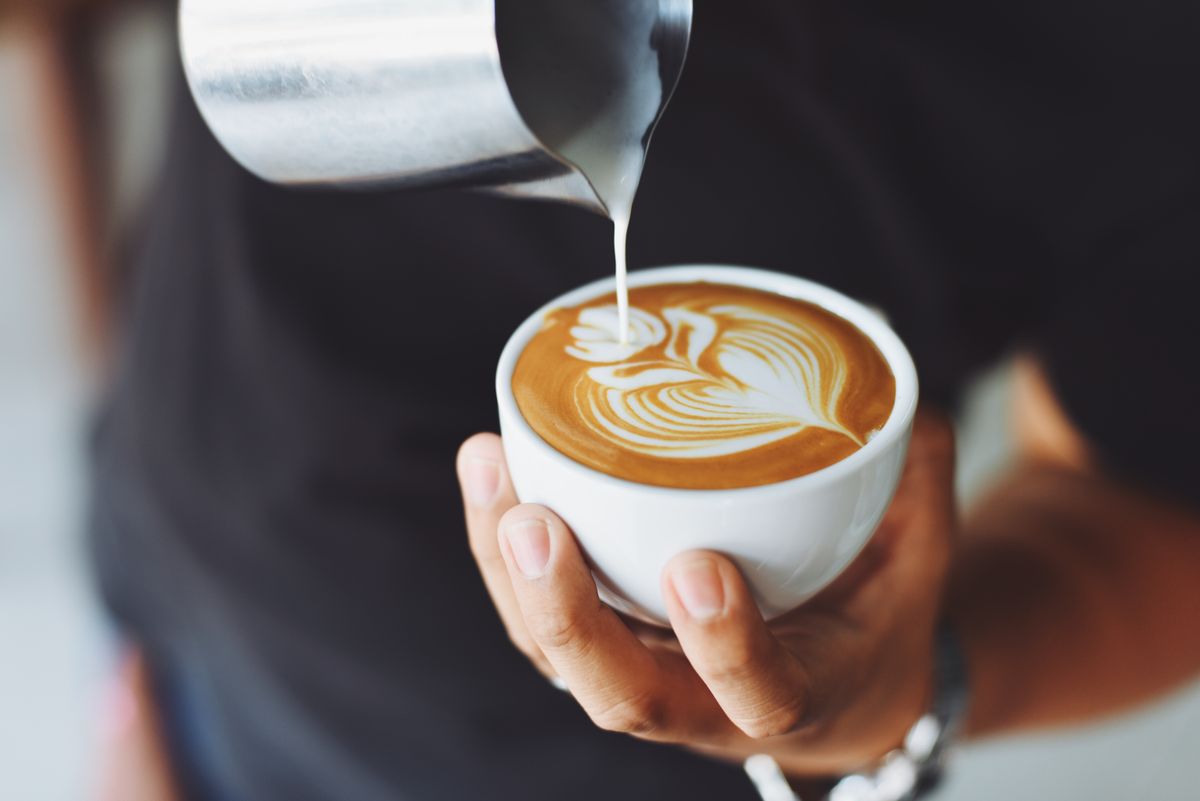
Pour-over tasting during sensory evaluation
Sensory eval · Sidama

Journal charter

Every origin chapter we publish begins with a farm visit report, a harvest counter verified against export documents, and a blind cupping protocol scored on the BrewOrigin sheet. We do not sell roasted coffee or operate a café — we trace supply chains so roasters, importers, and barista trainers can speak about terroir with evidence. Our Mile End studio maintains a reference library of green samples, drying-bed photography, and producer correspondence dating back to the 2024 pilot season. When you read a BrewOrigin lot card, you receive the same field notes our editors used to finalize the sensory summary.

6 Origin lots documented · 2026 season
142 Cupping sessions logged
38 Producer interviews archived
12 Editorial briefings delivered

Origin chapters · 2026 horizontal bands

Chapter 01

Huila · Pink bourbon washed

Altitude bands between 1,720 and 1,890 metres on the Magdalena slope. Our editors tracked a late February flowering through to a May parchment delivery, noting how afternoon cloud cover slowed cherry maturation and concentrated stone-fruit acidity in the cupping bowl.
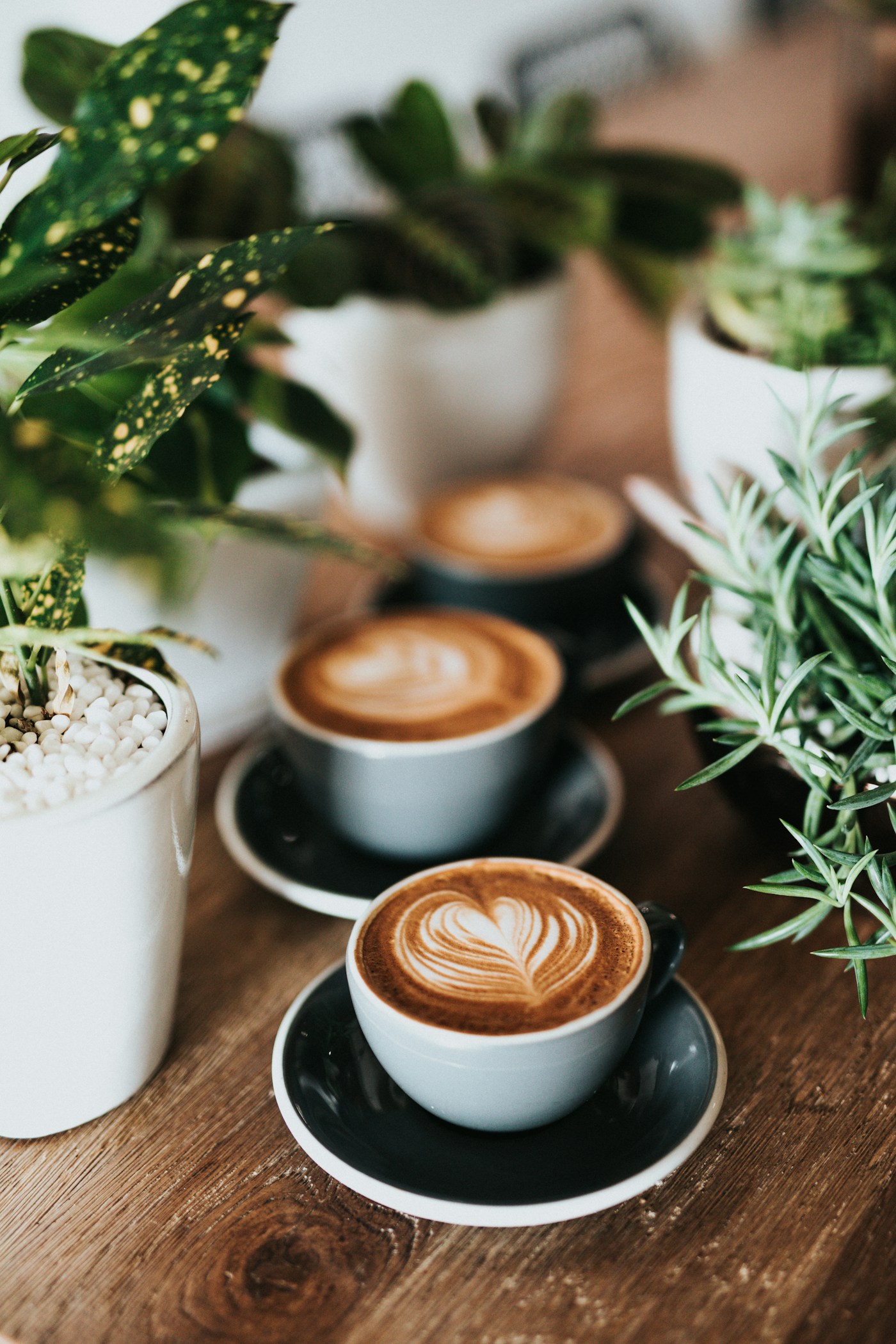
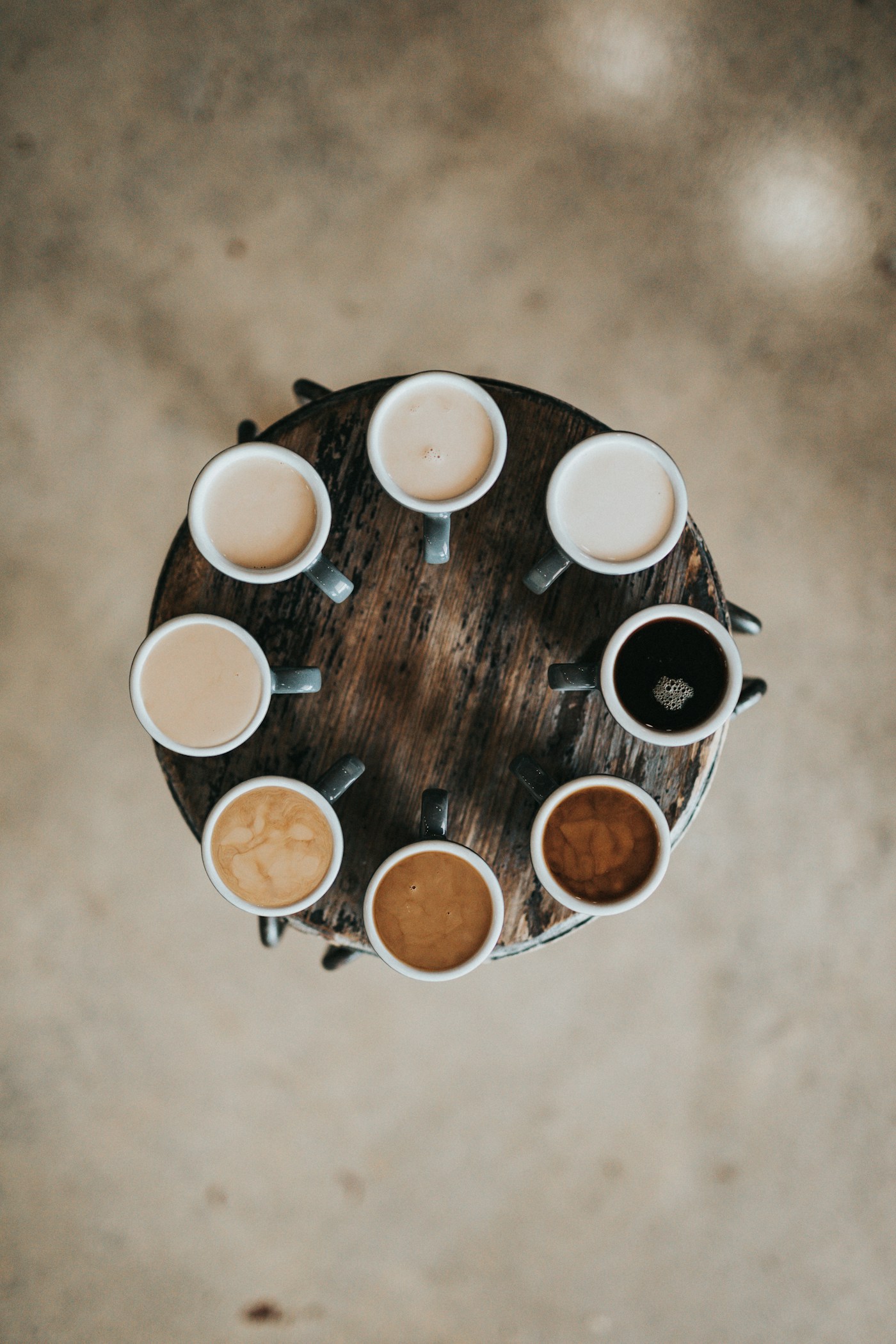
Specialty coffee cups lined up for cupping evaluation
Chapter 02

Sidama · Heirloom natural

Raise-bed fermentation logs from Bensa document a 21-day dry phase with hourly moisture checks captured in our field notebook. The resulting cup profile layers dried fig, bergamot zest, and a honeyed finish that held stable across three water recipes on the BrewOrigin ratio guide.

Blind cupping samples on the BrewOrigin panel table
Chapter 03

Antigua · Volcanic shade lot

Volcanic ash mineral content and dense shade canopy define this Guatemala chapter, sourced from a finca corridor where bourbon and caturra rows sit between avocado windbreaks. Editors paired soil assays with split-roast cuppings to demonstrate how medium development preserves cocoa nib sweetness without flattening brightness.

Roasted coffee beans for Antigua lot calibration
Chapter 04

Yirgacheffe · Washed micro-lot

A 48-hour underwater soak and raised-bed finish produced jasmine-forward aromatics that scored 87.5 on our calibrated panel. Field photographs document the washing channel gradient and cherry floatation sorting that defines this lot's clarity in filter service.

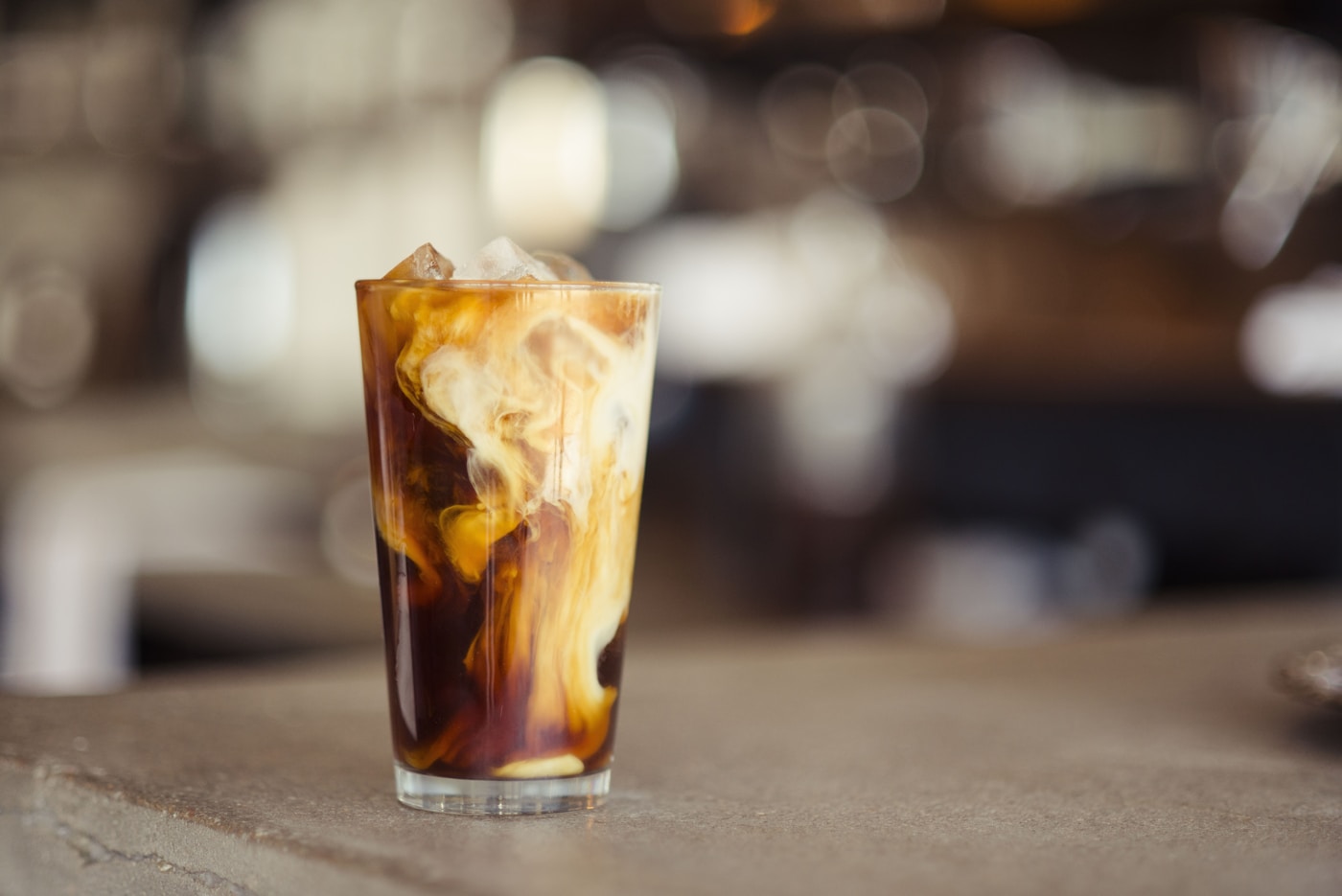
Iced filter coffee from Yirgacheffe micro-lot tasting

Editor method

How we build an origin chapter

Each lot passes through a four-stage editorial pipeline before publication. We cross-reference export paperwork, conduct blind cuppings with calibrated water, and archive producer voice recordings alongside the written narrative. Roasters receive permission to cite BrewOrigin sheets in wholesale decks when attribution is preserved.

Our Saint-Laurent studio hosts quarterly calibration sessions where importers and café trainers align on descriptor language. The sidebar rail outlines the standard workflow applied to every 2026 lot — from green sample intake through final PDF delivery.

Featured origin lot cards

Coffee beans in a production roaster cooling tray
Tarrazú · CR-26-04

Honey-processed caturra

Panel score 86.75 · Caramel, red apple, mild lime finish. Ratio guide included.

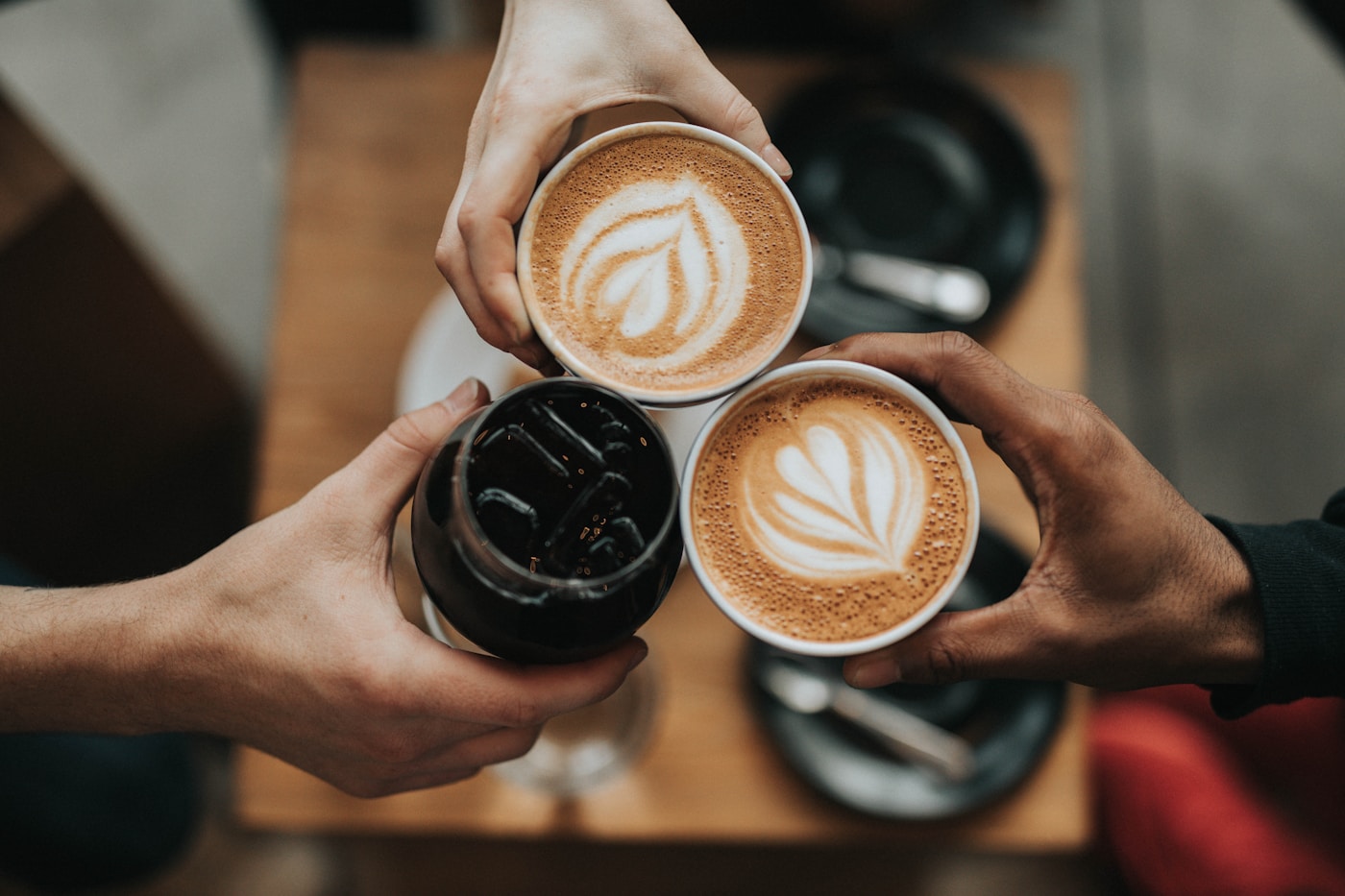
Panel tasting specialty coffee together at the studio
Nyeri · KE-26-02

SL28 washed

Panel score 88.0 · Blackcurrant, brown sugar, structured acidity. Full farm chapter.

Pour-over tasting during sensory evaluation
Sidama · ET-26-01

Heirloom natural

Panel score 87.25 · Dried fig, bergamot, honeyed body. Seasonal update Q2 2026.

Common questions

We publish origin chapters, cupping sheets, brew-ratio guides, and seasonal harvest updates for specialty coffee professionals. Our Mile End studio documents farm histories — we are an editorial research office, not a roastery or café.
Visits are by appointment Monday through Friday, 09:00–17:00 Eastern Time. Contact us to schedule a cupping sheet review or origin briefing at Suite 520, 3625 Boulevard Saint-Laurent, Montreal.
Our panel uses the BrewOrigin sheet with blind sample coding, calibrated water at 150 ppm, and quarterly alignment sessions. Scores reflect consensus descriptors rather than individual taster preference.
No. BrewOrigin provides documentation, sensory analysis, and editorial collaboration. Importers and roasters retain direct purchasing relationships with producers referenced in our chapters.
Seasonal updates ship quarterly with harvest counter revisions. Major lot revisions are dated on each chapter page — current journal volume is Lot 01, 2026 season, last reviewed 26 June 2026.

View all FAQ →

Start tracing your next origin

Request a cupping sheet, collaborate on a farm story, or book an origin briefing at our Mile End studio.

Contact BrewOrigin